

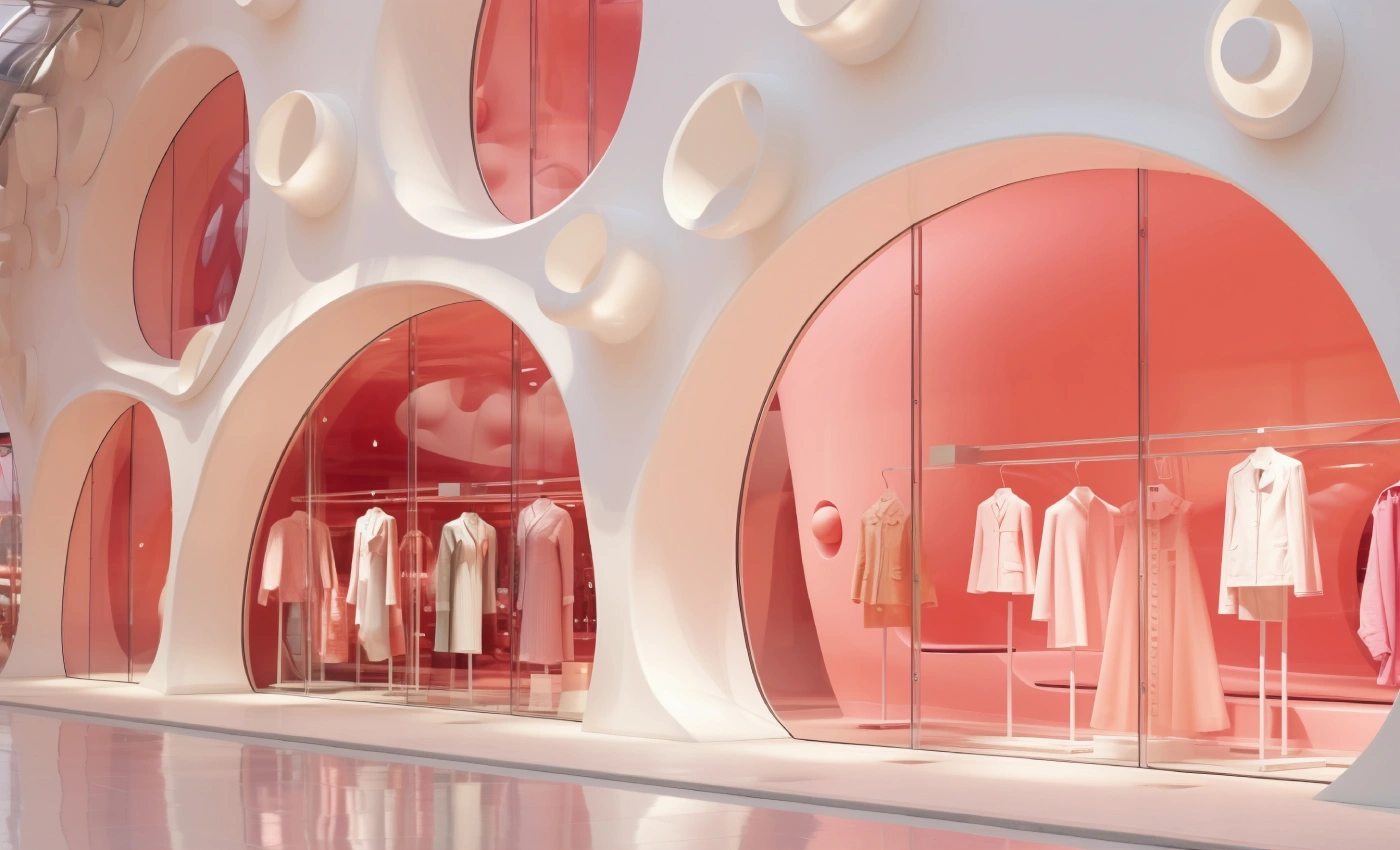
Global geopolitical uncertainty and the resulting slowdown in consumer spending are shaping a complex scenario for Italian households. Yet, the latest report by the Confimprese Research Center (in collaboration with Global Strategy) captures a surprising reality for organized retail: companies are not stopping; they are changing strategy.
Compared to last year, there is a 5.9% growth in opening plans, with nearly 6.000 new points of sale projected in Italy across food service, fashion, and other retail sectors, which are set to generate over 35000 jobs.
However, we must be careful not to read this data superficially. We are not witnessing reckless expansion, but rather a strategic medium-to-long-term realignment. Companies are investing in more efficient formats, targeted locations, and, above all, a profound transformation of the shopping experience. What does this mean for those managing a brand or a retail network? It means that the challenge has shifted to two crucial areas: identity refitting and digital integration.
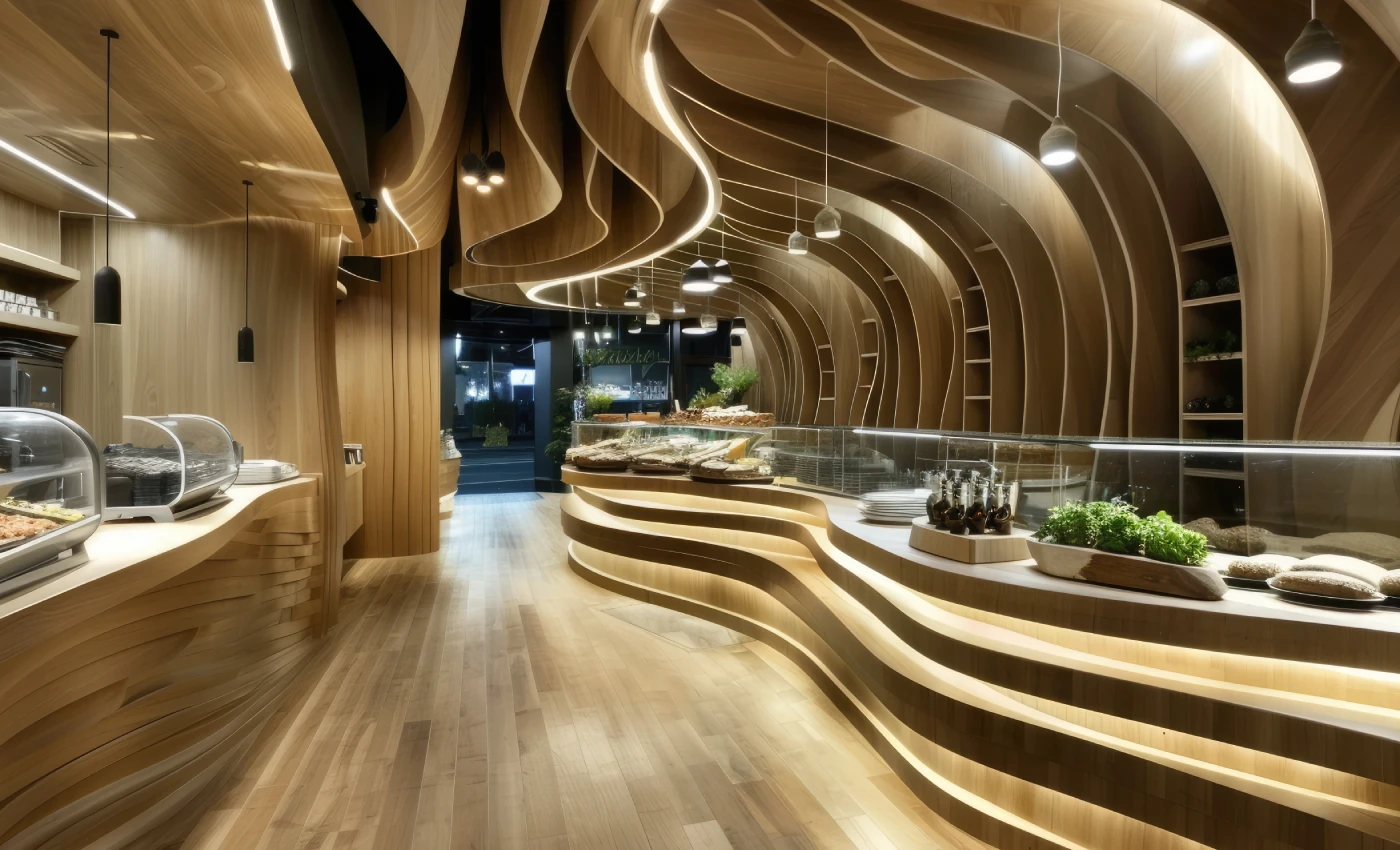
The great “refitting” wave: if the product is no longer enough, you need an experience.
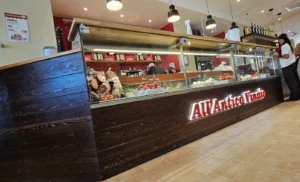
The data speaks for itself: alongside new openings, closures remain limited. The real trend of 2026 is the renewal of existing spaces: a staggering 4 out of 5 companies have planned refitting projects (modernizing premises), and 64% foresee upgrading interventions for their current stores.
In the clothing and accessories sector—which suffers from greater market saturation—the percentage of companies betting on refitting reaches a striking 100%.
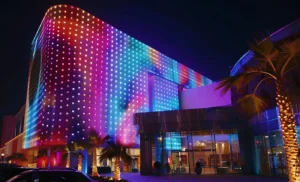
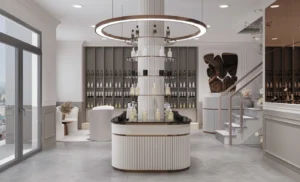
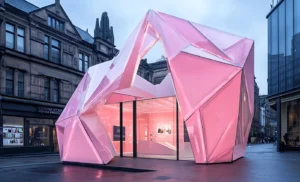
Today, renovating a physical space (retail design) means visually translating brand values into an experiential, memorable, and Instagrammable environment. The point of sale must now attract consumers not just for what it sells, but for the experience and atmosphere it delivers.
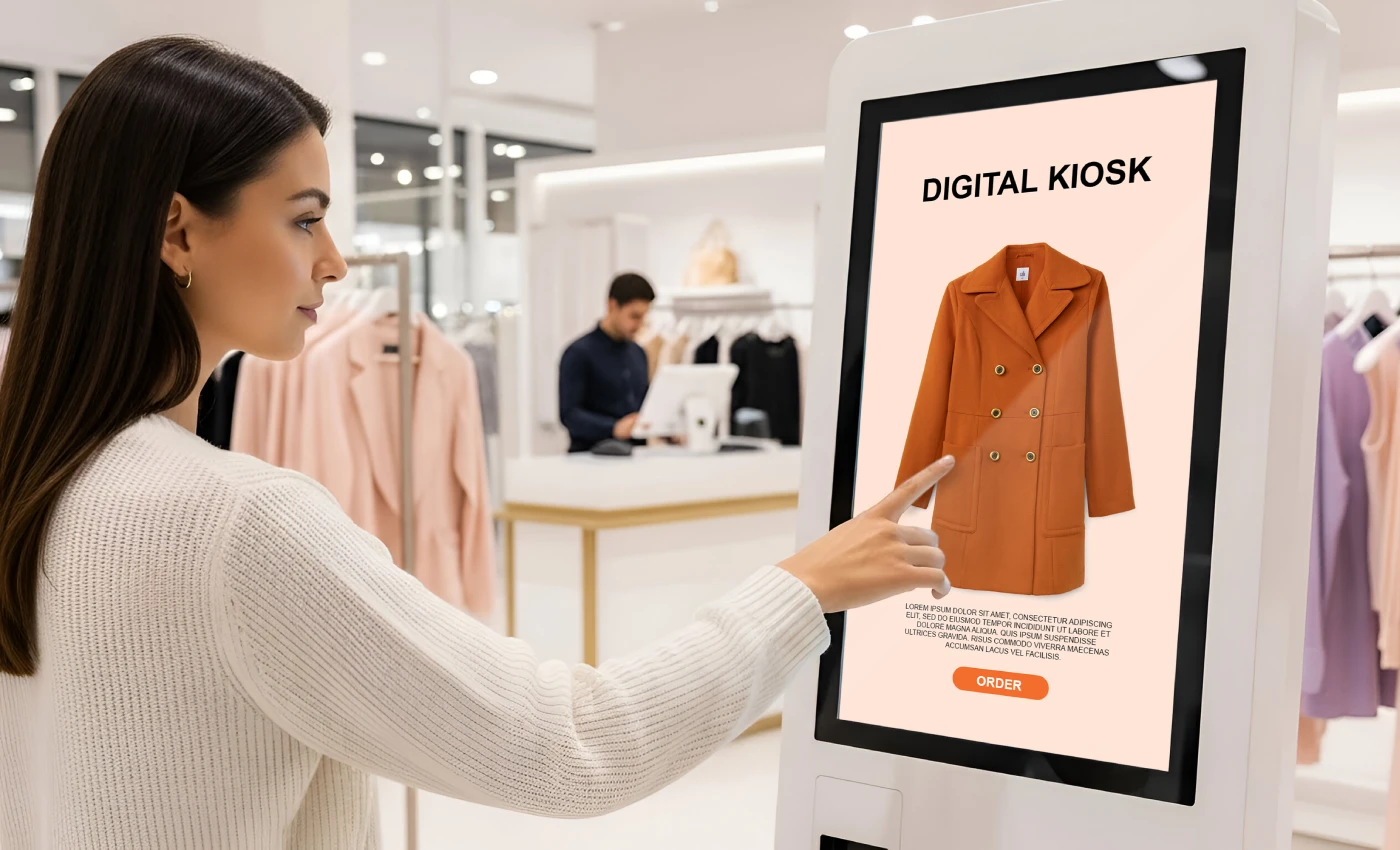
Stores as hubs: the inseparable bond between physical and digital.
Another fundamental pillar emerging from the Confimprese analysis is the strong push towards greater integration between physical and digital channels. New retail formats are no longer conceived as mere “sales boxes,” but as true hubs for customer relationships.
Whether companies choose positioning within shopping malls (the channel of choice for 75% of retailers), focus on neighborhood stores (38%), or target retail parks (28%), the physical store must constantly communicate with the brand’s digital ecosystem.
Combining prudence and vision: the recipe for the future.
As Mario Resca, President of Confimprese, rightly pointed out:
«The new openings therefore reflect a retail sector that is shedding its skin: stores that are closer to local communities, more connected to digital channels and increasingly centered around the needs of an evolving consumer. It is in this ability to adapt that the sector demonstrates its resilience. … The challenge today is to combine prudence and vision: managing present uncertainty without giving up on building the foundations for future growth».
Major players like the Teddy Group or Morellato in fashion, Burger King in food service or Arcaplanet and Facile.it, in other retail sectors, are already leading the way with impressive development plans. For medium-sized enterprises and retail networks that want to remain competitive, the message is clear: the market rewards innovators. You don’t necessarily need to open a hundred new stores; you need to maximize the potential of your existing ones, making them digitally connected, visually irresistible, and strategically positioned.
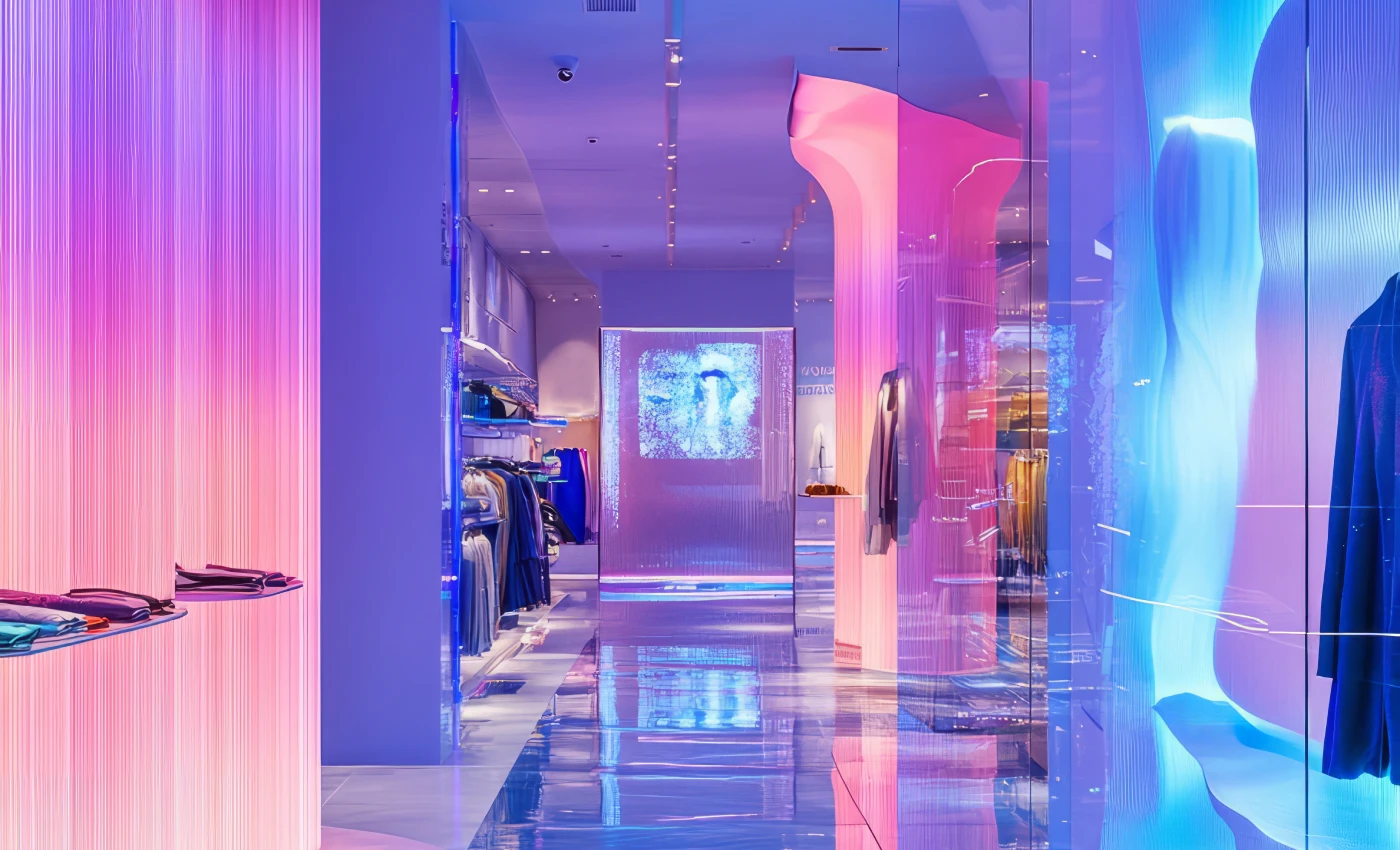
When every touchpoint tells the same story, retail stops being just a place to sell and becomes a coherent, recognizable ecosystem capable of turning interest into a relationship.
(Source: Centro Studi Confimprese / Global Strategy, April 2026.)