


Modern retail is facing its greatest revolution. And to understand where points of sale are heading, sometimes you just need to look at initiatives that seem eccentric only on the surface. The latest comes from Sweden: IKEA chose to open five of its stores (Malmö, Linköping, Jönköping, Uddevalla, and Karlstad) to celebrate the civil weddings of fifteen couples. On Saturday, June 27 2026, customers were able to get married in a non-traditional setting and the stores temporarily became actual wedding venues.
This was not an impromptu stunt. The initiative included an official civil ceremony, dedicated in-store decorations, a summer menu for the celebrations, and even an IKEA-branded wedding gift. Behind this choice lies a very clear brand identity and retail design strategy: transforming the point of sale from a mere place of purchase into a relational, experiential and multifunctional space. The store is no longer just a place to pick up a product, but a meaningful destination in people’s lives, capable of hosting everyday moments and even unforgettable memories.

Beyond shopping: the store as a “third place”.
For years, e-commerce has fueled a crucial question: why should a customer leave their house if they can buy everything online? IKEA’s answer is clear: online you shop, in the physical space you live.
Getting married at IKEA means associating the brand with an emotional and collective memory, turning customers into true brand advocates. Today, brands no longer compete solely on product or price, but on their ability to build relationships and a sense of belonging. The point of sale thus becomes a “third place”: a space for community, connection, and identity, positioned between home and work.
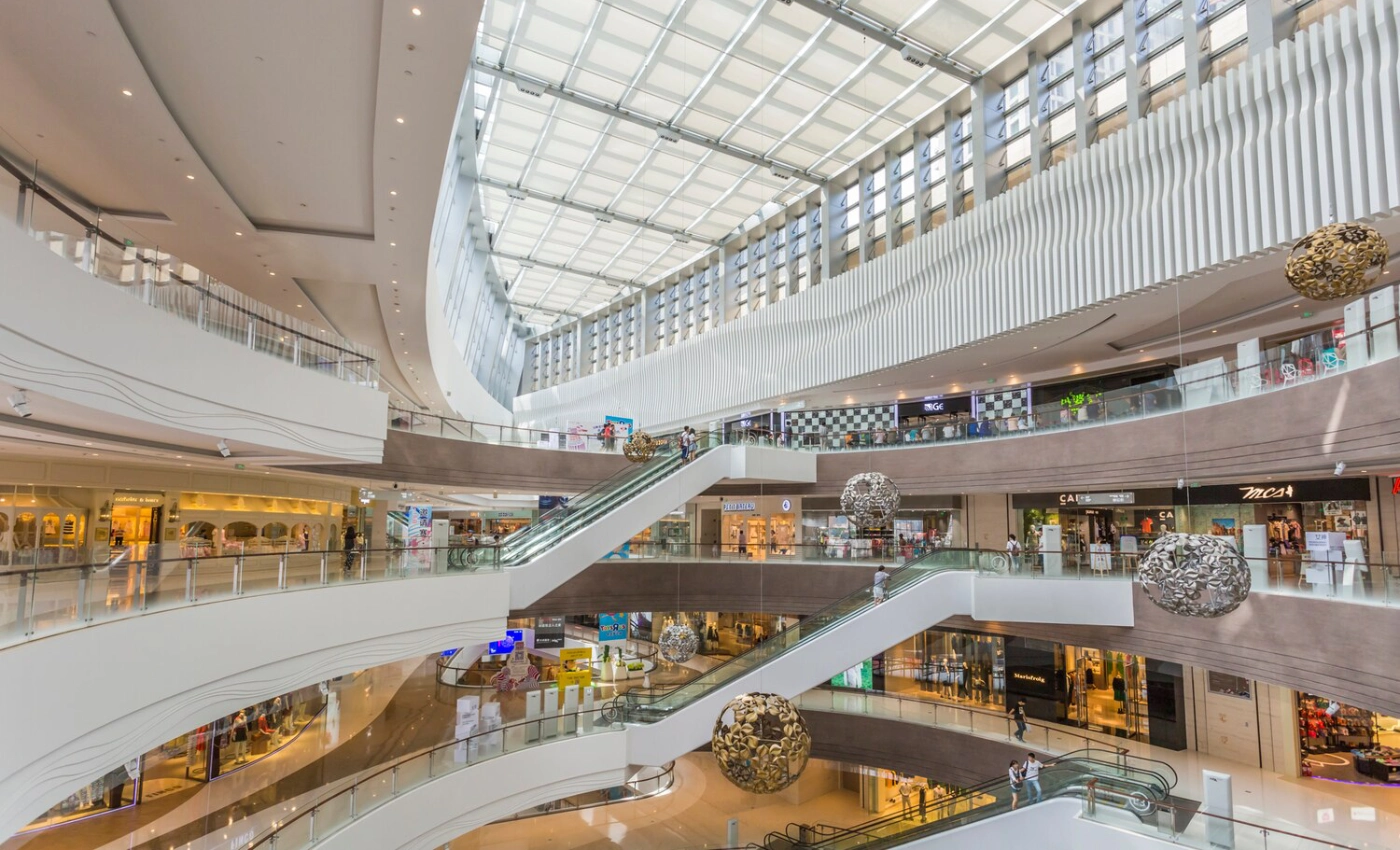
Space design as a marketing lever.
The Swedish initiative reminds us that effective retail is that which views consumers as individuals seeking connections, experiences, and stories to live out. Not every brand needs to host weddings or transform into an event venue, but every business should keep in mind that designing a store today means practicing retail experience design. This involves creating flexible environments capable of changing functions, hosting workshops, events, micro-communities or simply offering an atmosphere where people genuinely want to spend time.
The space becomes a medium, a narrative touchpoint and a physical extension of the brand strategy.
Source: https://retailinstitute.it