The restaurant industry is evolving rapidly, and the design and layout of spaces play a crucial role in defining the customer experience. In an increasingly competitive sector, over 80% of restaurateurs expect stable or growing sales in 2025, but half foresee a tougher battle to win customers. Layout design is no longer merely an aesthetic matter, but a strategic factor of differentiation. Today, successful venues don’t just serve good food: they must create memorable environments that strengthen the brand and build customer loyalty. Especially for expanding fast casual chains, keeping up with trends means balancing innovation and identity without compromising brand consistency. An experienced general contractor such as Sferica recognizes the importance of anticipating these trends, integrating them into projects to deliver contemporary, functional spaces that enhance the customer experience. Below, we explore the key 2025 trends in restaurant design and layout; from aesthetic innovation to immersive technologies, from sustainability to spatial flexibility, with both Italian and international insights supported by data and reputable sources.
Aesthetic Innovation in Restaurant Design
In 2025, interior design becomes visual identity and storytelling. The trend swings between warm minimalism, rustic-industrial style, and Instagrammable spaces, always in service of the overall experience:
- Warm Minimalism and Natural Palettes: interiors in sandy tones, sage green, and terracotta create calm and welcoming spaces, while soft furnishings in wood, fabrics, and rattan add visual and tactile comfort. This approach supports a serene and authentic customer journey.
- Rustic-Industrial and Local Design: elements such as exposed brick, reclaimed wood, and steel are combined with artisanal details and local materials to tell the story of the territory. In Italy, farm stays like Tenute Costadoria in Valledoria and La Torretta in Guardiagrele embody this philosophy with zero-kilometer cuisine and locally crafted furnishings showcased in the interior layouts.
- “Instagrammable” Design: visual installations and bold colors make the venue the perfect backdrop for social media. Carefully curated environments, even bathrooms and hallways, encourage digital word-of-mouth. Designer Andrea Langhi emphasizes: “It’s fashionable to take photos even in the bathrooms” to create distinctive visual adventures.
A thoughtful mix of these trends allows businesses to stay consistent with their brand identity, avoiding excessive elements that risk becoming outdated.
Immersive Experiences and Multi-Sensory Environments
From simple dining to experiential dining: in 2025, the restaurant engages all the senses:
- Theming and Escapism: venues transform the meal into a visual and sensory narrative, with iconic settings and coherent environmental concepts (e.g., hidden speakeasies, hybrid formats). Themed environments amplify emotions and improve customer loyalty.
- Diverse Layouts for Different Moments: lounges for aperitifs, intimate dining areas, interactive counters, and outdoor patios shift atmosphere throughout the day. According to designer Shannon Sterne, places offering varied options (a lively bar or a relaxed patio) are the ones that stand out.
- Interaction and Active Engagement: open kitchens, in-room cooking shows, or mobile kitchen carts bring the spectacle to the table. In Milan, Verso placed the kitchen at the center of the dining room to offer a direct and spectacular experience.
- Multi-Sensory Design: soft sounds, ambient scents, tactile materials, and well-planned details create a full rounded complete experience. Even secondary spaces, such as bathrooms, become opportunities for “wow” moments. As industry sources note, balancing innovation with human warmth is essential. Technology without authenticity risks feeling cold or artificial.
Technology and Digitalization in the Restaurant
Digital integration becomes part of the design and a seamless experience — not just a functional add-on:
- Artificial Intelligence and Automation: predictive algorithms optimize inventory, staffing, and menus, while chatbots and self-order kiosks reduce errors and waiting times. International brands like Wing Snob use AI to automate orders and frequently asked questions, freeing staff for higher-value, emotionally engaging tasks.
- Augmented Reality (AR) and Virtual Reality (VR): 3D menus on smartphones and immersive “from sea to plate” experiences (as in the case of Pier 48 Fish House) enhance engagement and transparency. AR boosts interaction and average spend: according to e-commerce market studies, it increases purchase intent.
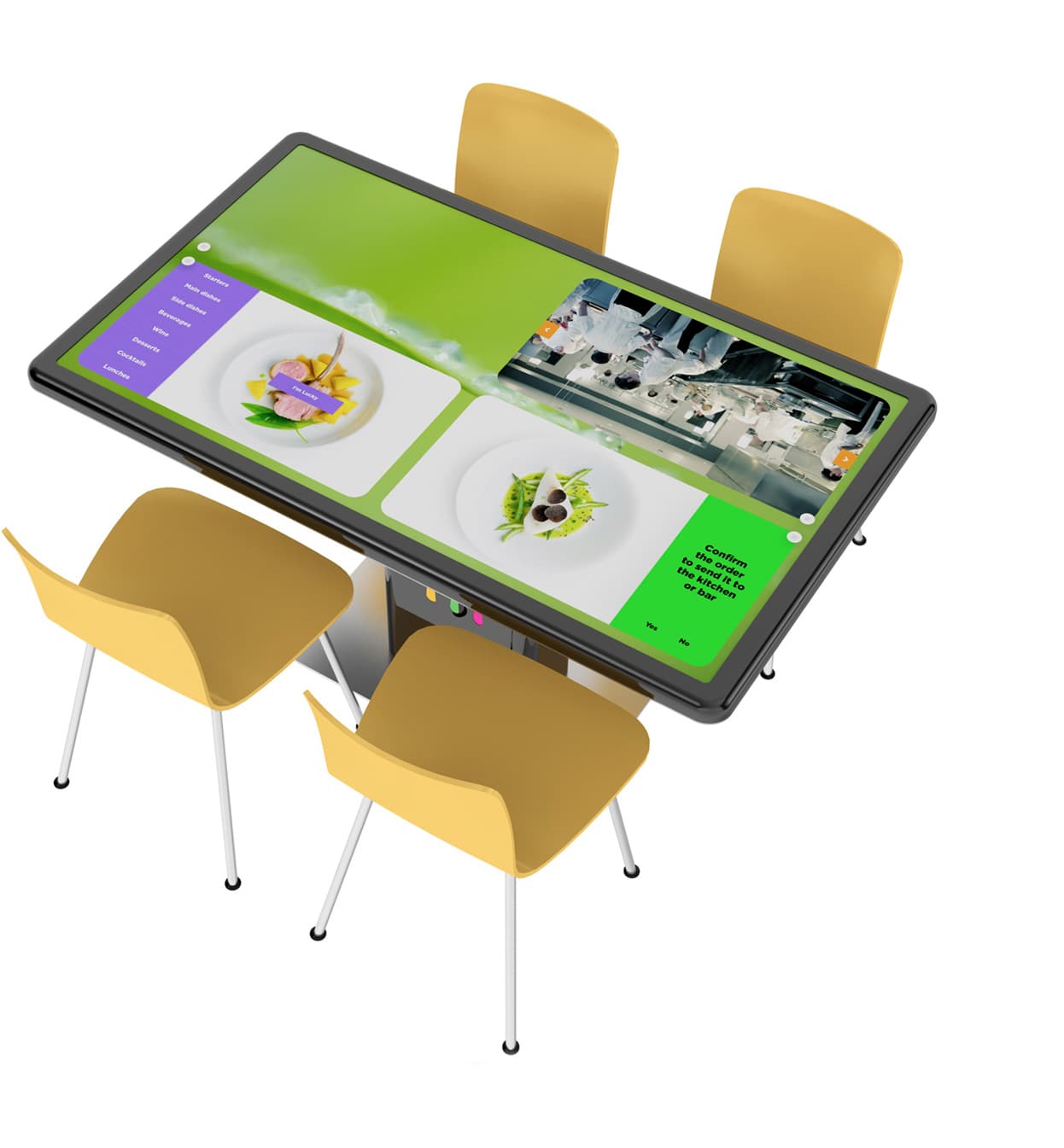
- Layout Digitalization and Omnichannel Design: online booking, integrated kiosks, dedicated pickup areas, modern drive-thrus, video walls, and USB ports at tables become design elements. More and more venues are adding smart lockers and separate flows for couriers, preserving the dine-in experience.
The guiding principle: a consistent phygital user experience — not technological chaos.
Sustainability and Responsible Design
A strategic must:
- Eco-Friendly Materials: FSC-certified wood, recycled porcelain stoneware tiles, natural low-VOC paints, and upcycled objects convey both ethics and quality. In Italy, brands like Vivasan and SCAB highlight their green commitment with certified practices that minimize impact on health and the environment.
- Energy Efficiency and Green Systems: LED lighting, smart HVAC, solar roofs, rainwater harvesting, EV charging, and IoT systems reduce consumption and bills, delivering a fast ROI.
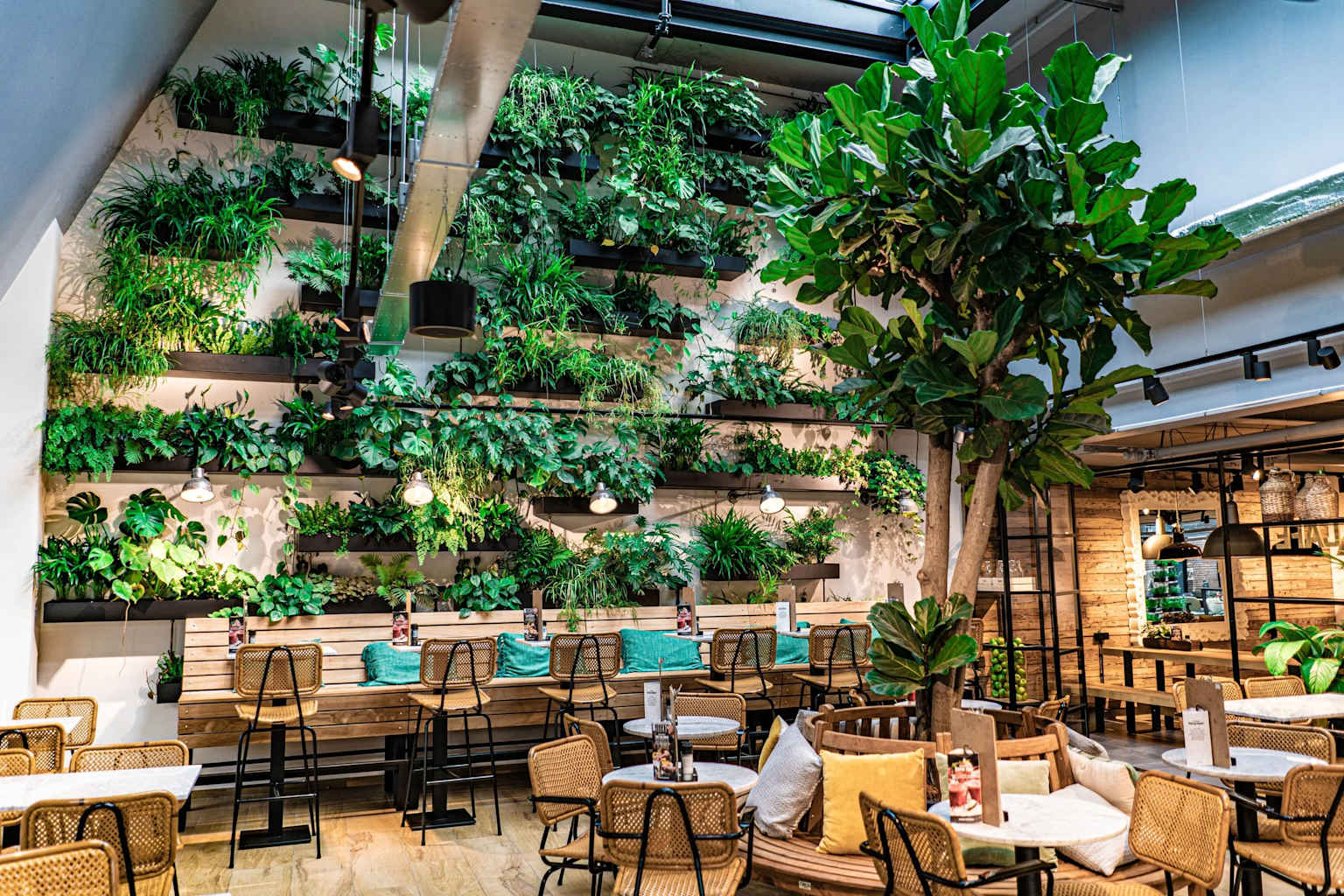
- Biophilic Design and Indoor Well-Being: plants, natural light, green walls, and indoor gardens improve air quality and psychophysical comfort. Studies show they reduce stress and increase dwell time. An Italian example is the veranda of Ristorante 1919 (Terme di Saturnia), which embodies this philosophy.
For restaurant chains, these elements become drivers of authentic marketing, customer loyalty, and sustainable standardization.
Space Optimization and Layout Flexibility
Designing for the intelligent use of every square meter is a strategic necessity:
- Modular Layouts and Adaptable Furnishings: movable walls, modular tables, and multifunctional seating ensure reconfigurable layouts according to events or time slots.
- Space-Saving Solutions: features such as removable magnetic panels (e.g., Chameleon system) or double swing doors (like Hörmann) optimize flow and functionality without requiring major construction works.
- Hybrid Day/Night Spaces: bars that function as coworking spaces by day and wine bars in the evening, thanks to movable furniture and adaptable lighting. Successful models abroad and in Italy show how versatility is a true asset.
- Focus on Solo Diners and Delivery: single counters, minimized cross-traffic, and separate pickup points for delivery riders maintain dine-in comfort and speed. Some new openings prioritize kitchen efficiency for delivery, integrating it into well-designed layouts.
Innovative Materials and Material Trends
Beyond the already mentioned eco-friendly elements, several notable material trends stand out:
- Durable Contract-Grade Surfaces: wood-effect porcelain stoneware, hygienic and washable composites, and fingerprint-resistant stainless steel in the back-of-house are essential for high-traffic venues.
- Craftsmanship and Customization: hand-painted ceramics, local woods, and regional terracottas convey history and authenticity. In Italy, many businesses commission custom furnishings from local artisans to strengthen brand identity.
- High-Tech Fabrics: stain-resistant treatments, plant-based eco-leather, decorative acoustic panels, and multimedia wall coverings become both functional and distinctive elements.
- Smart Materials: electrochromic glass, interactive LED counters, and sensor-equipped surfaces reinterpret the concept of functional space and experience.
Atmospheric Lighting and Lighting Solutions
Lighting is one of the most decisive elements in defining a restaurant’s character. In 2025, trends in this field combine technology, energy efficiency, and the pursuit of the perfect atmosphere:
- Scenographic and Dynamic Lighting: dimmable LED systems, adjustable color temperatures, and contrast lighting shape the atmosphere throughout the day. An example is La Stellata Restaurant (Saturnia), that uses adjustable lights and warm lamps to create visual comfort.
- Wireless and Portable Lamps: rechargeable models like Poldina by Zafferano offer flexibility and operational safety, becoming decorative elements even outdoors.
- Lighting Efficiency: LEDs, motion sensors, and daylight harvesting reduce energy consumption by up to 80%, aided by smart outdoor solutions and solar-powered signage.
- Brand Lighting and Social Shareability: neon signs, lighting installations, and iconic illuminated elements become part of brand identity and drive engagement on social media.
Continuous Evolution and Added Value for Chains
The 2025 trends in restaurant design and layout (technology, sustainability, flexibility, aesthetics) outline a landscape where innovation and authenticity converge. Chains that embrace these trends can offer superior experiences, operational efficiency, and a strong reputation. Sferica, with its integrated approach and specialization in retail food, helps brands translate these trends into real, replicable, and consistent projects on a national scale. Investing today in cutting-edge design means investing in the future of your retail: loyal customers, high-performing environments, and spaces ready to evolve with the market.